Chasing Coastal Light on the Norfolk Lighthouse Link

Join us as we uncover Photography Hotspots along Norfolk Lighthouse Link Trails, weaving from Happisburgh’s candy-striped sentinel to the clifftop glow near Cromer and the headland lookout at Old Hunstanton. We will map golden and blue-hour vantage points, explain tide-aware access, suggest practical gear choices for wind and salt, and share heartfelt stories from locals whose stewardship keeps these coastal guardians shining. Bring curiosity, respect, and a ready lens; this journey invites you to create images that feel as timeless as the sea.

Reading the Sky for Unforgettable Coastal Light

Coastal light along Norfolk’s lighthouses changes with every tide turn and wind shift. Plan dawn and dusk sessions using tide tables and reliable forecasts, but also learn to improvise when sea fret rolls in or clouds briefly part. Golden hour warms brick and chalk, while blue hour softens horizons and reveals subtle beams. Keep a flexible route, build buffer time for detours, and remember that after rain, brief breaks can paint the towers with dazzling, short-lived brilliance you will never forget.

First Light at Happisburgh

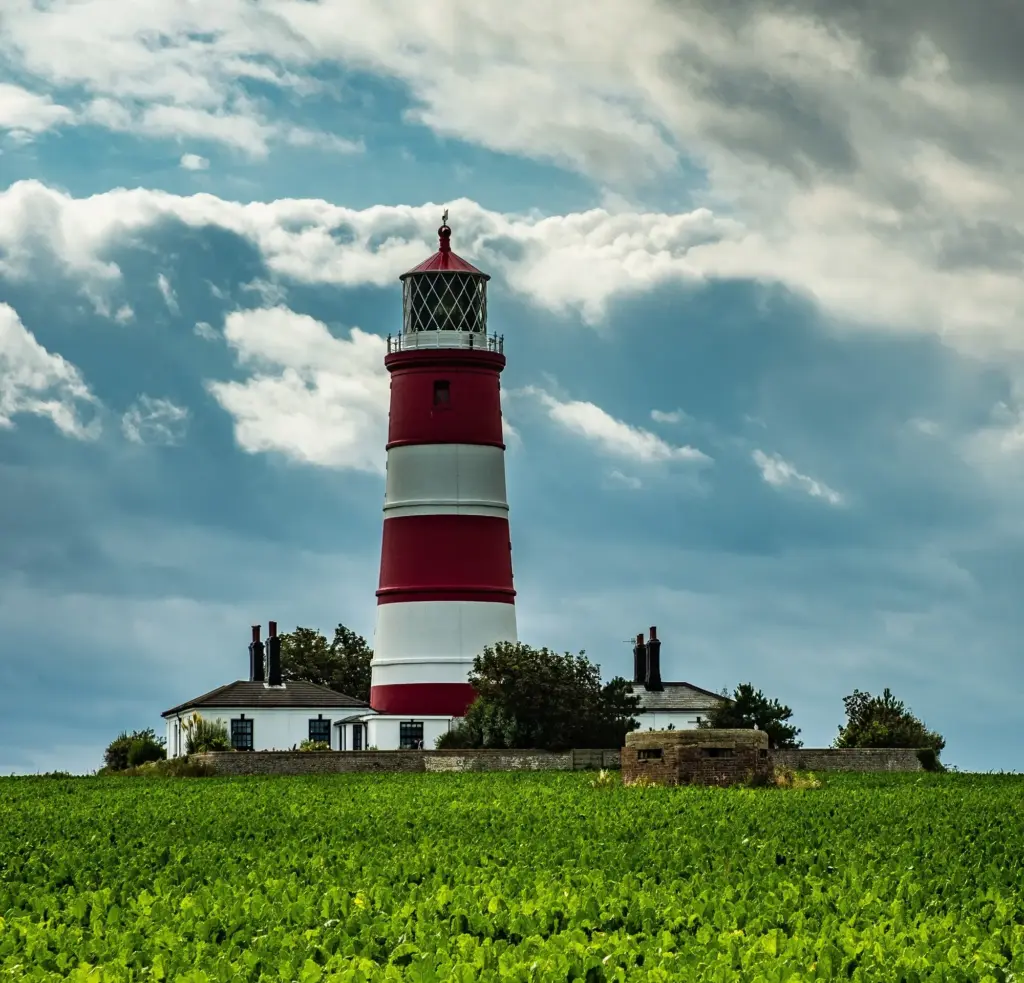
Arrive before sunrise via the path from Cart Gap, giving yourself time to scout safe spots above eroding edges. As the sky blushes, the red and white tower stands like a promise against pastel bands. Use low angles to nestle the lighthouse between dune grasses, and time shutter speeds to smooth the waves while keeping texture in the surf. When gulls sweep through warm light, a single silhouette can anchor your frame with a living, local heartbeat.

Quiet Blue Hour above Cromer

Slip along the clifftop coast path by the golf course toward Cromer’s beacon, staying outside fenced grounds and respecting signage. In blue hour, town lights begin to glow, and a gentle mist can soften rooftops below. A short telephoto compresses the lighthouse with distant pier lamps, shaping a layered coastal story. Stabilize your shot against sea breeze, bracket exposures to cradle highlights, and wait for the moment when the glow and sky share the same luminous hush.

Storm Breaks over Old Hunstanton

Watch the western sky at Old Hunstanton when squalls give way to sudden shafts of sun. The striped cliffs ignite with color while the lighthouse silhouette steadies the frame against restless clouds. Edge carefully along safe, signed paths, because gusts near cliffs can be unpredictable. Polarizers tame glare on wet rock, but leave some shimmer to honor the storm’s departure. If a rainbow materializes, step quickly to align curve, tower, and cliffs into a clean, unforgettable arc of resilience.

Compositions that Let the Beacons Breathe
These coastal guardians sing when given space. Compose with generous sky to amplify scale, or tighten your frame to highlight texture in brick, lantern room, and surf. Lead the eye using fences, footpaths, and foam lines without overcrowding the story. Think in sequences: a wide establishing view, a mid focal length narrative frame, then a tight detail that feels intimate. Balance human traces with raw nature to show how communities and sea have learned to belong together.
Seek S-curves in sandy paths cresting dunes toward Happisburgh, or align weathered fence posts as rhythmic markers guiding viewers to the tower. Time your shot as waves retreat, leaving shining ribbons that echo shoreline contours. Avoid cutting lines at frame edges; let them enter compellingly from a corner. Shift a step or two until every pathway resolves cleanly, and keep horizons level so movement and direction feel intentional, not accidental. Subtle adjustments create unforgettable visual journeys.
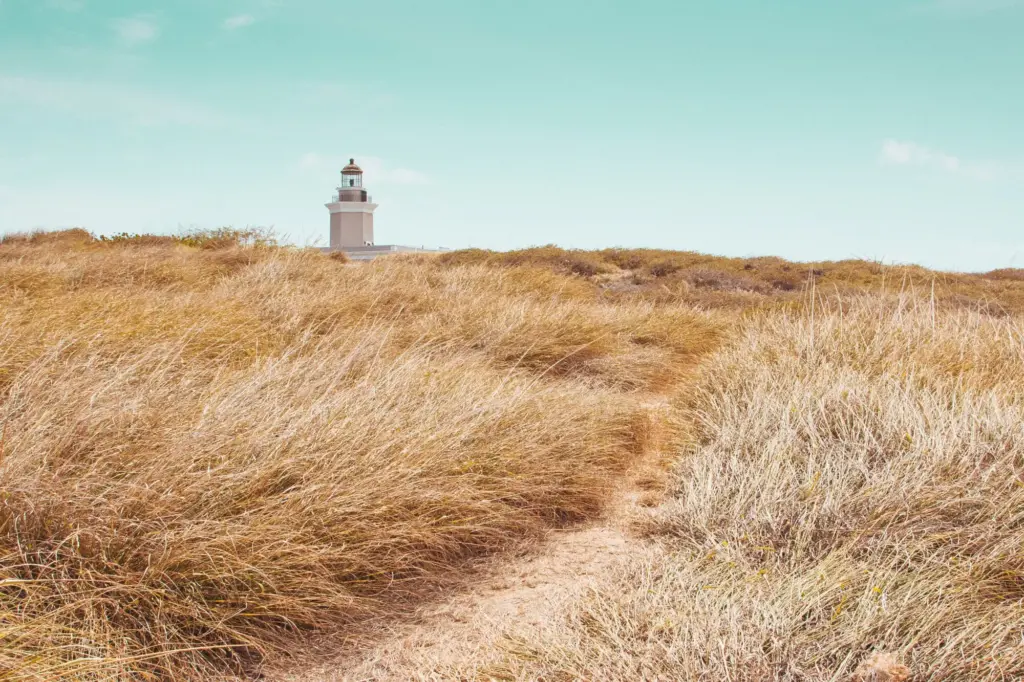
On flat, calm days, reduce elements to emphasize serenity. Place the lighthouse low in frame beneath a generous, tonally rich sky, inviting viewers to feel wind, space, and salt. Minimalism thrives on micro-precision: clean edges, uncluttered foregrounds, and disciplined color palettes. Try high-key processing when fog softens contrast, or low-key when clouds darken the sea. Each approach honors solitude without melancholy, letting the beacon whisper rather than shout, and leaving room for memory to echo afterward.
Kneel to include marram blades catching sidelight, tide-combed pebbles, or driftwood arcs shaped like cursive letters that point home. At Old Hunstanton, layered cliff textures become tactile storytelling panels when paired with the distant tower. Focus stack carefully if the foreground lies inches from your lens. When footprints appear, decide whether to erase them with new surf or keep them as a quiet inscription of human passage. Every foreground choice changes the emotional temperature of the picture.

Access, Tides, and Staying Safe Every Step
Beauty here is powerful, and safety is part of craft. Norfolk’s coast shifts constantly: paths move inland after storms, beaches narrow at high tide, and cliff edges undercut without warning. Check current closures, follow waymarks, and carry a charged phone with offline maps. Avoid stepping too close to edges, respect private land, and never challenge waves for a photograph. The best image is the one you bring home with a good story and dry boots.

Erosion and Tide Windows near Happisburgh
Happisburgh’s shoreline changes faster than many imagine, with winter storms redrawing safe approaches overnight. Consult tide tables and local notices before descending to the beach, and build a clear exit plan that avoids getting trapped by incoming water. If waves close gaps swiftly, retreat to higher ground rather than sprinting across slick groynes. When in doubt, shoot from stable vantage points above. Your images gain strength, not weakness, when made with patience, care, and practiced situational awareness.

Clifftop Caution at Cromer and Overstrand
Clifftop grasses can hide crumbling edges, so maintain generous distance, especially after rain. Observe warning signs and be mindful that tripods placed too near the lip invite vibration and risk. Instead, step back and lengthen focal length to preserve perspective without danger. If wind surges, spread tripod legs wide, hang extra weight, or shoot handheld with stabilization. Remind companions to keep gear organized across the path, leaving room for walkers and runners who share this beautiful corridor responsibly.

Seasonal Sensitivity around Dunes and Seals

Dune habitats near Winterton and Horsey shelter nesting birds in spring and early summer, and grey seals gather in winter. Heed seasonal restrictions, stay behind roped areas, and keep dogs controlled. A long lens reveals intimacy without intrusion, and quiet patience yields better expressions than chasing wildlife across sand. Avoid bright flash at night, step gently around vegetation, and consider the picture that shows respect as the most meaningful capture. The coast remembers kindness longer than footprints ever will.

Gear and Settings for Wind, Salt, and Shifting Light

Coastal conditions are honest teachers: wind tests stability, salt tests care, and light tests timing. Pack a dependable wide-angle, a mid-telephoto for compressing shapes, and a lightweight tripod that resists gusts. Bring microfiber cloths, a rocket blower, and spare batteries in a dry pouch. Use weather sealing when possible, but protect everything with sensible positioning and routine wipes. Embrace manual exposure adjustments as clouds move, and shoot RAW to cradle sky detail while keeping seas luminous and textured.

Wide Perspectives and Stable Horizons

A 14–24mm or 16–35mm lens captures dune curves guiding eyes toward familiar towers. To avoid leaning structures, keep the camera level or apply subtle perspective corrections later. In wind, lower tripod height, spread legs, and avoid center-column extension. Use two-second timers or remote releases to dodge shake. Compose deliberately, letting the horizon ride a stable third unless a symmetrical reflection demands center weight. Wide views should feel welcoming, not distorted, giving viewers room to breathe the sea air.

Reach and Compression without Heat Haze

For distant alignments, a 70–200mm or 100–400mm lens compresses cliffs, lighthouse, and town into graceful layers. Shoot earlier or later in the day to reduce shimmer. Short bursts at higher shutter speeds help nail sharpness in gusts. Use focus limiter switches, pre-focus where walkers will pass, and let a small aperture retain edge clarity across planes. Telephoto frames become visual poems when every layer, from foreground texture to lantern room details, sings in careful, resonant harmony.

Filters, Long Exposures, and Clean Optics

Neutral-density filters lengthen shutter speeds to smooth restless water into polished ribbons beneath steadfast towers. Graduated filters tame skies, though bracketing and blending can be subtler on uneven horizons. Always clean front elements after spray, using gentle circular motions and fresh cloth corners. Shade the lens with your hand against flare, and test exposures meticulously as light shifts. The most lyrical long exposure pairs motion with stillness, holding time and tide together in one considered, luminous frame.

Lesser-Known Vantage Points between the Icons

Beyond postcard views lie quiet corners that reward unhurried walkers. Between villages, the Norfolk Coast Path reveals reflective pools after spring tides, serpentine groynes that echo lighthouse geometry, and dune hollows that cradle sky like amphitheaters. These spots change with weather and season, encouraging creative revisits. Approach with humility, step lightly, and listen for small sounds that signal a photograph forming: a turn of wind, the hush of foam, the distant bell of a buoy calling you to compose.

Reflective Pools toward Happisburgh after Spring Tides

After larger tides, shallow pools linger across the sand flats south of Happisburgh. Kneel low to double the tower in mirror-bright water, but protect gear from sudden ripples when breezes wake. A polarizer rotated carefully balances surface glare against reflection depth. Wait for a still pause between gusts to refine symmetry, and nudge tripod legs into firmer sand. The resulting photographs feel meditative, pairing a steadfast landmark with delicate, temporary geometry gifted by the changing sea.

Striped Cliffs Alignments at Old Hunstanton

Walk the beach with a patient eye as the lighthouse peeks around layers of red, white, and buff stone. Small sidesteps can align stratified cliffs as graceful frames around the tower, especially under low, raking light. Protect yourself from falling debris by staying a respectful distance, and watch the tide behind you. These alignments reward measured breathing and micro-movements, transforming geology into a living proscenium that elevates a familiar structure into a radiant, quietly theatrical presence.

Wind-carved Windows near Winterton-on-Sea
Among high dunes, wind sculpts hollows that behave like natural apertures. Position yourself so the rim of sand encircles the distant beacon, then adjust depth of field to soften grains or render each crystal sharp. Footprints can either complement flow or clutter it; choose intentionally. Protect vegetation by remaining on established paths and stepping only on robust surfaces. When clouds race overhead, time exposures so light brushes the dune rim like a curtain lift, revealing your subject with grace.

Stories, Community, and Keeping the Lights Alive

Photographs deepen when they carry voices and care. Norfolk’s beacons are tended by volunteers, mariners, and neighbors who fundraise, guide tours, and quietly repaint railings battered by brine. Learn a name, listen to a memory, and let your captions honor these contributions. Share location details responsibly, credit community knowledge, and consider donating a print for local causes. By subscribing, commenting, and exchanging tips, you help a living culture thrive, ensuring the light stays welcoming for the next traveler with a camera.
Happisburgh is proudly community-run, with open days that welcome visitors up winding stairs to sweeping views. If your timing aligns, photograph respectfully, keeping tripods clear of narrow landings and letting others pass. Note stories from volunteers about storms survived or lamps renewed; they enrich your captions with lived experience. Ask permission before close portraits, offer to share images, and be generous with credit. You will leave with photographs that feel connected, and friendships that outlast the day’s beautiful light.
A solitary walker, a child flying a kite, or a couple pausing against the railing can turn a strong landscape into a relatable narrative. Keep figures small for scale, ensure horizons stay clean behind heads, and time footfalls mid-step for energy. If identities are clear, seek consent for close usage, especially in commercial contexts. Respect privacy in homes near paths, and celebrate the gentle choreography of people moving through weather, history, and light without overwhelming the coastline’s enduring character.