Waves, Beacons, and Easy Paths: Norfolk Lighthouse Walks for All Ages

Set out on family-friendly coastal walks connecting Norfolk lighthouses, where gentle paths, sandy promenades, and story-filled beacons turn simple outings into bright adventures. We’ll suggest easy routes, playful learning ideas, and restful stops, helping mixed-age groups wander confidently between landmarks. Expect stroller-friendly stretches, safe detours when tides rise, and plenty of chances for ice cream, crab rolls, and seaside games. Pack curiosity, a windproof layer, and let the shore’s quiet signals guide every happy step.

Gentle Paths Linking Guiding Lights

Old Hunstanton Cliffs and the White Tower Loop

Meander from the village green toward the photogenic white tower above Hunstanton’s striped cliffs, tracing a breezy loop that mixes grassy paths with easy beach stretches. Children love fossil-hunting hints in the rocks and watching kites dance. Keep an eye on the tide for strandline exploring, and switch to the clifftop track if waves creep close. Benches and sheltered nooks make snack stops effortless, while broad views inspire stories about how light and coastline keep sailors safe.

Cromer Clifftop Promenade to Overstrand Return

Follow the promenade past candy-colored huts, then rise gently toward the clifftop path where Cromer’s beacon watches the sea. On windy days, stay low along the promenade for an easier pushchair roll; when it’s still, choose the grassy crest for big-sky drama. Overstrand’s cafés await rewarding treats before the return. Teach children to spot navigational aids and passing crab boats, turning every viewpoint into a mini-lesson. If small legs tire, pause at the pier for gull-watching and warm chips.

Happisburgh Stripes and Sea Palling Sands Family Ramble

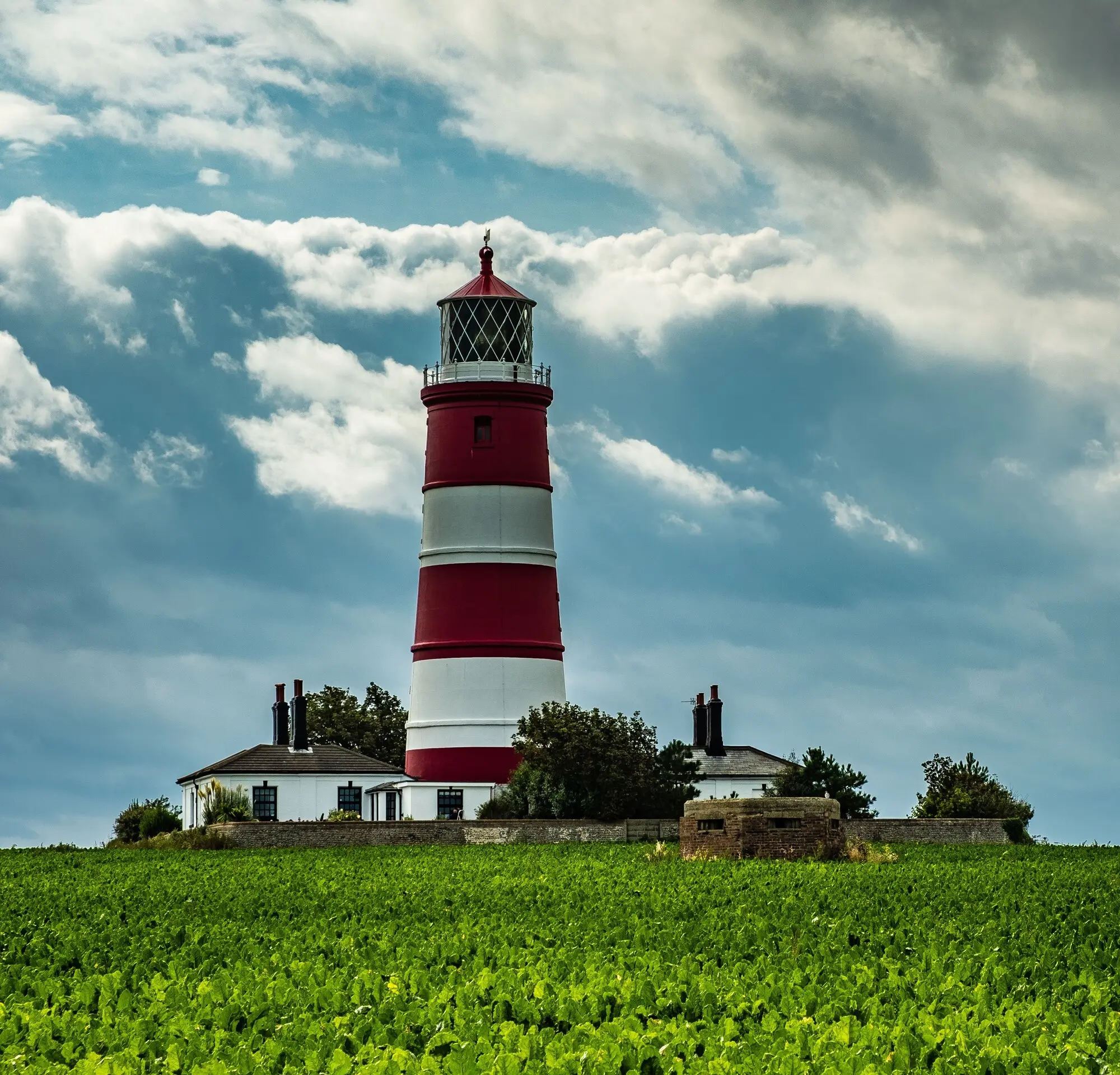
Set off with the red-and-white landmark in sight, then curve through dunes toward Sea Palling’s open sands, where gentle surf and broad skies invite slow exploration. Choose firm dune tracks when prams join, or wander the tideline for shell treasures. Erosion here changes routes, so keep to signed paths and give cliff edges respectful distance. Reward explorers with hot chocolate and a lighthouse sketching pause. The return can mirror your favorite moments, collecting second looks at waves and wind-bent marram.

Beacons as Storytellers for Curious Minds

Every light is a page in a larger coastal book, inviting families to read signals, decode stripes, and imagine foggy nights when keepers watched horizons. Turning these walks into playful classrooms keeps children engaged while adults rediscover patient noticing. We share simple experiments, questions to spark wonder, and bedtime story prompts inspired by lantern rooms and weathered railings. Curiosity, not quizzes, leads the way, proving learning thrives when pockets hold stones, not worksheets, and waves applaud every discovery.

Decoding Light Patterns and Coastal Landmarks

Invite kids to role-play as navigators: count imaginary flashes, invent safe harbors on paper maps, and match landmark shapes with compass directions. Explain why some towers wear bold stripes while others stand plain against the sky. Use headlamps or phone torches at home to mimic flashing sequences, turning living rooms into model sea lanes. Along the path, point out buoy colors, cliff profiles, and pier lights, teaching how mariners build mental maps from steady features and gleaming guides.

Keeper Legends to Spark Imagination

During breaks, share gentle tales about night watches, polished lenses, and storms tamed by preparation. Encourage children to sketch a keeper’s cozy room or list items they would pack for a brave, caring shift. Imagine signaling in fog with bells and horns, or trimming wicks during fierce winds. These stories build empathy for quiet, diligent work and transform distant history into kind, practical wisdom. Finish with a gratitude moment toward those who still guide safely from shore.

Wild Shores, Gentle Encounters

Norfolk’s edge is alive with seals, seabirds, shifting dunes, and small dramas written in shells and seaweed. Families can watch respectfully, practicing quiet presence and wide-eyed patience. We suggest distances and viewpoints that keep wildlife comfortable, balancing excitement with stewardship. Children quickly understand that good explorers protect the places they love. With thoughtful timing, even brief rests become safaris: binoculars scan horizons, tide pools whisper geology, and wind combs grass like whispered advice. Wonder grows wherever footsteps soften.

Treat Stops, Rest Spots, and Happy Bellies
Fuel happy miles with pauses that restore warmth and laughter. We point to welcoming cafés, picnic-friendly lawns, and wind-shy corners tucked behind beach huts or dune backs. Balance treats with water breaks and suncream reminders, and consider sharing local flavors—crab rolls, warm doughnuts, and buttery shortbread—so children taste the coast as boldly as they see it. Note toilets, refill taps, and bin points on your route card, making pauses smooth, sustainable, and as memorable as the biggest wave.
Near Old Hunstanton’s famous bands of stone, plan a cone stop where little fingers chill and faces brighten. Choose shaded benches if midday sun blazes, and carry wipes for sticky smiles. Turn the moment into a color game: match scoop hues to cliff layers, beach pebbles, and sky. Invite children to describe flavors like weather—“stormy chocolate,” “calm vanilla”—weaving playful vocabulary into geography. These tiny rituals anchor longer walks, proving that sweetness also lives in pauses, not only distance.
After clifftop views, restore energy with crab sandwiches or a steaming parcel of chips near the pier’s friendly bustle. Sit where gulls can be admired but not fed, practicing responsible habits alongside happy bites. Warm drinks soothe wind-kissed cheeks, while the lighthouse backdrop turns snacks into postcards. Use the break to check route options if naps loom or weather drifts. A few stretches, a shared laugh, and a refill of water bottles make the final leg feel newly possible.
Tuck into sandwiches among sheltering marram, where the wind softens and children invent sand-castle nations. Lay a lightweight mat, gather litter promptly, and keep an eye on tides to ensure a relaxed return. Swap stories about lighthouse signals while clouds parade, or run a mini nature atelier: leaf rubbings, shell patterns, and dune-grass braids. Encourage everyone to choose a memory object to photograph, then leave it behind. Picnics become studios for gratitude, crafting slow joy between shimmering horizons.

Access Made Simple: Wheels, Routes, and Connections

Family days unfold best when logistics feel light. We highlight step-free promenades, packed-surface paths, and simple detours avoiding steep zigzags. Consider baby carriers where sand deepens, and mark toilets, benches, and sheltered spots on a shared phone note. Public transport often links coastal towns, easing one-way explorations without backtracking. Downloadable maps, offline pins, and printed backups keep you calm if signals fade. By planning gentle connectors in advance, you protect energy for delight, not navigation puzzles or unwelcome surprises.

Step-Free Choices for Wheels and Little Legs

Choose promenades and clifftop greens where surfaces stay kind to pushchairs, wheelchairs, and scooters. If steps guard a viewpoint, look for parallel ramps or alternative acess points noted on local maps. Test gradients with a quick heel-brake check, and rotate who pushes to keep spirits high. Celebrate independence when kids motor ahead, but agree regroup beacons—benches, huts, or painted posts—so nobody drifts. These small practices turn practical needs into teamwork, ensuring the coast feels welcoming to every pace and wheel.

Bus Links and Easy Ride Returns

Scan timetables for coastal buses that hop between seaside villages, enabling relaxed one-way walks. Start into the wind so the return ride feels triumphant, not tiring. Keep driver change and contactless cards handy, and screenshot schedules in case signals fade. If trains serve your base town, consider a rail-to-trail outing that thrills young travelers before shoe-laces even tighten. Share seats, stories, and window-spotting games, transforming transport into part of the day’s magic rather than a hurried afterthought.

Dog-Friendly Planning across Sandy Miles
Many families stroll with wagging companions. Check seasonal beach restrictions, carry fresh water, and choose cooler hours for paws. Practice solid recall near wildlife, and keep leads ready around cliffs or busy promenades. Pack biodegradable bags, extra towels, and a warm layer for damp dogs meeting sea enthusiasm. Introduce children to canine etiquette—space, patience, and slow greetings—so everyone shares paths happily. End with a group photo beside a beacon, because tails and smiles both look brightest in saltlight.

Timing with Tides and Choosing Safe Exits
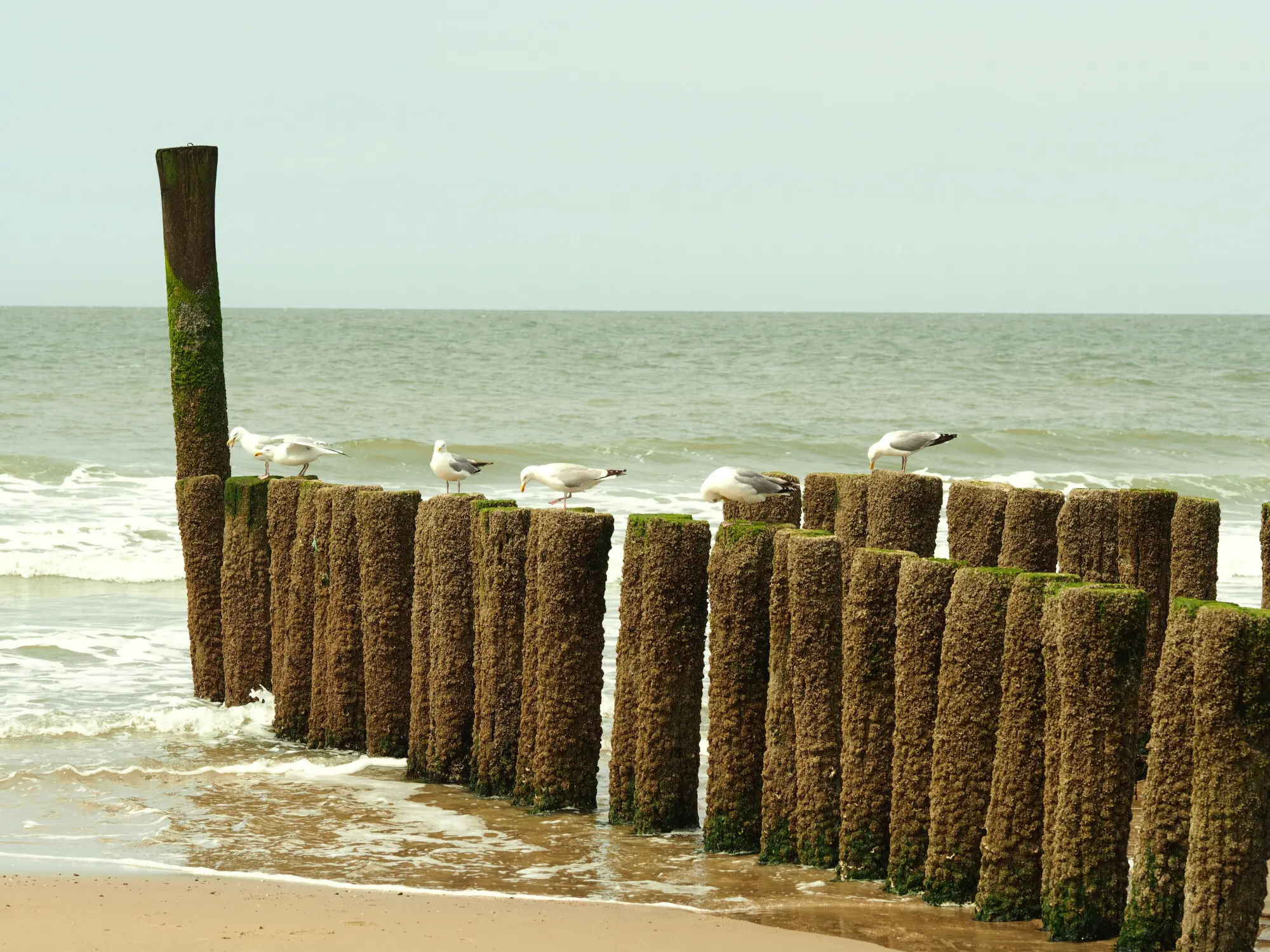
Glance at tide times the evening before, then again with breakfast. If curiosity pulls you toward coves or narrower sands, locate multiple exit points and set a clear turnaround window. Teach children to notice tidal lines, comparing wet and dry sand as a quiet clock. Carry a modest whistle and a charged phone in a waterproof pouch. By treating the sea as a patient teacher rather than a race partner, you return with stories, souvenirs, and unruffled confidence for tomorrow’s wander.

Cliff Awareness and Erosion-Safe Habits

Coastal edges shift with weather and seasons, so give crumbling faces thoughtful room and obey diversions without debate. Choose stable paths even if views tempt bolder shortcuts. Turn caution into discovery by focusing small explorers on sky patterns, lighthouse silhouettes, and distant sails. Encourage “two footprints back” rule near edges and celebrate it as smart leadership. When families normalize adaptive routes, kids learn that flexibility is strength, keeping adventures bright and repeatable while the coastline continues shaping itself with powerful grace.

Share Your Journey and Help Others Explore

Photo Prompts under Golden Hour Beams

Encourage budding photographers to capture patterns—ripples, railings, window reflections—rather than only wide horizons. Try a family challenge: three textures, two colors, one smile. Frame lighthouses with grasses or pier lines and celebrate imperfection as creative proof of adventure. Share your favorites with short captions noting wind strength, tide timing, and shoe choices. These practical details transform pretty pictures into trustworthy guides. Over time, a gallery of small moments becomes a reliable map for joyful, low-stress shoreline wandering.

Printable Challenges and Sticker Rewards

Keep motivation high with playful missions: spot three different buoy colors, count steps on a ramp, or mimic a lighthouse pose for a family portrait. Print a simple checklist, then seal success with stickers at rest stops. Celebrate teamwork, not speed. Invite children to invent new challenges for the next visit, building ownership and anticipation. Post or message your best ideas so other families can try them, too. Shared games turn ordinary paths into eagerly awaited, memory-rich expeditions.

Join the Newsletter and Map Exchange

Subscribe for refreshed routes, safety nudges, and wildlife season spotlights tailored to gentle coastal days out. Contribute your notes to a community map, marking benches, taps, and step-free detours other families will appreciate. Tell us what worked with strollers, naps, or grandparents joining, and we’ll weave your wisdom into future guides. Reply with questions, corrections, or bright anecdotes. Together we keep information warm, practical, and kind, ensuring more smiles find their way between Norfolk’s steadfast lights.